
The Permanent Council of the Organization of American States (OAS) is considering convening an emergency session of hemispheric foreign ministers to address the escalating situation in Nicaragua, following President Daniel Ortega’s announcement to suspend elections and amid growing concerns over government crackdowns against the Catholic Church.
At a special meeting on August 5, the United States presented a draft resolution titled “Convocation of a Meeting of Consultation of Ministers of Foreign Affairs to Consider the Situation in Nicaragua,” co-sponsored by Argentina, Panama, Paraguay, and Uruguay.
The resolution calls for the ministerial meeting to take place before September 1, when the Ortega regime is set to codify its latest policy reforms.
This move would invoke one of the OAS’s highest-level diplomatic tools, signaling that member states view Nicaragua’s political rupture as a regional concern with direct human rights implications. The request for the extraordinary meeting was prompted by Ortega’s announcement and constitutional changes aimed at blocking opposition figures from power.
Commissioner Rosa María Payá, rapporteur for Nicaragua at the Inter-American Commission on Human Rights (IACHR), expressed concern over ongoing human rights abuses, including arbitrary detentions and forced disappearances. She reported that approximately 838,363 Nicaraguans have fled the country since 2018, facing transnational repression. Several member states’ representatives characterized the forced migration as a migration crisis and a threat to national security.
Payá, a Catholic of Cuban descent, highlighted the persecution of the Catholic Church in Nicaragua, citing the disappearance of Bishop Emeritus Juan Abelardo Mata Guevara of Estelí. Mata was detained by police on two occasions in late June after praying for the persecuted Church during a Mass on June 28.
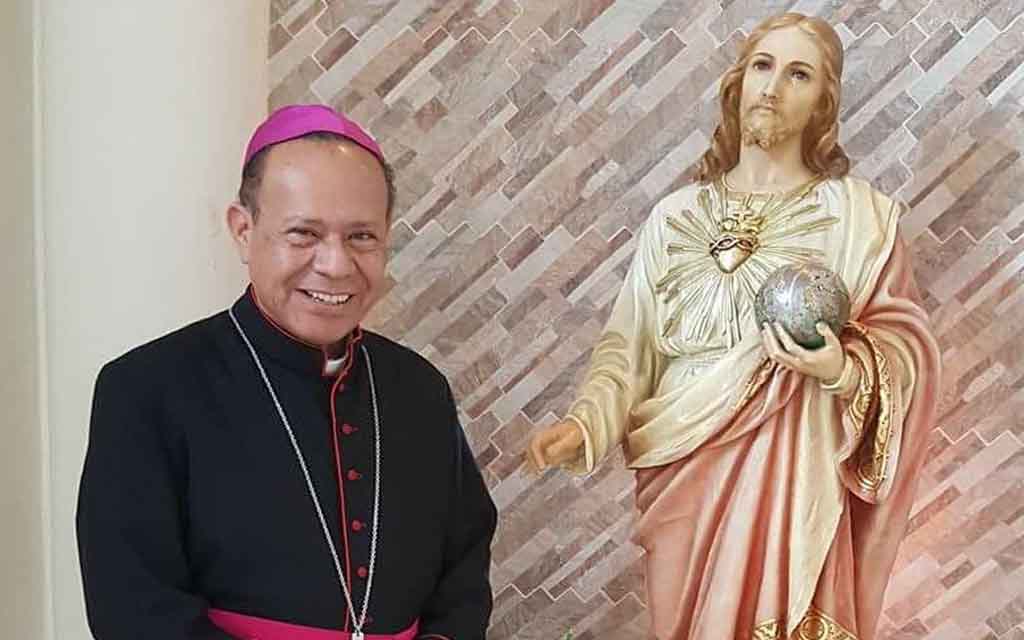
“We are very concerned about the situation of the persecution of the Catholic Church in Nicaragua and the persecution of the faith in general, and the practice and the exercise of the faith,” Payá told EWTN News. “We have been very vocal about our concerns and alarm about the disappearance of Monsignor Abelardo Mata Guevara.”
In October 2023, the Permanent Council unanimously approved a resolution rejecting repressive measures against educational institutions and the Catholic Church in Nicaragua. Nicaragua withdrew from the OAS in November 2023.
“When we talk about the Nicaraguan regime, we actually see a systematic continued behavior in the direction of violating freedom of religion, from the situation that took place with Monsignor [Rolando] Alvarez years ago — he’s now forced to live in exile — to the situation of Monsignor Mata and many other priests and members of the Catholic communities that are afraid to practice their faith,” she said.
Payá said the Ortega regime’s suspension of elections has prompted a “collapse of democracy,” which “creates an environment of fear that impacts people of faith.”
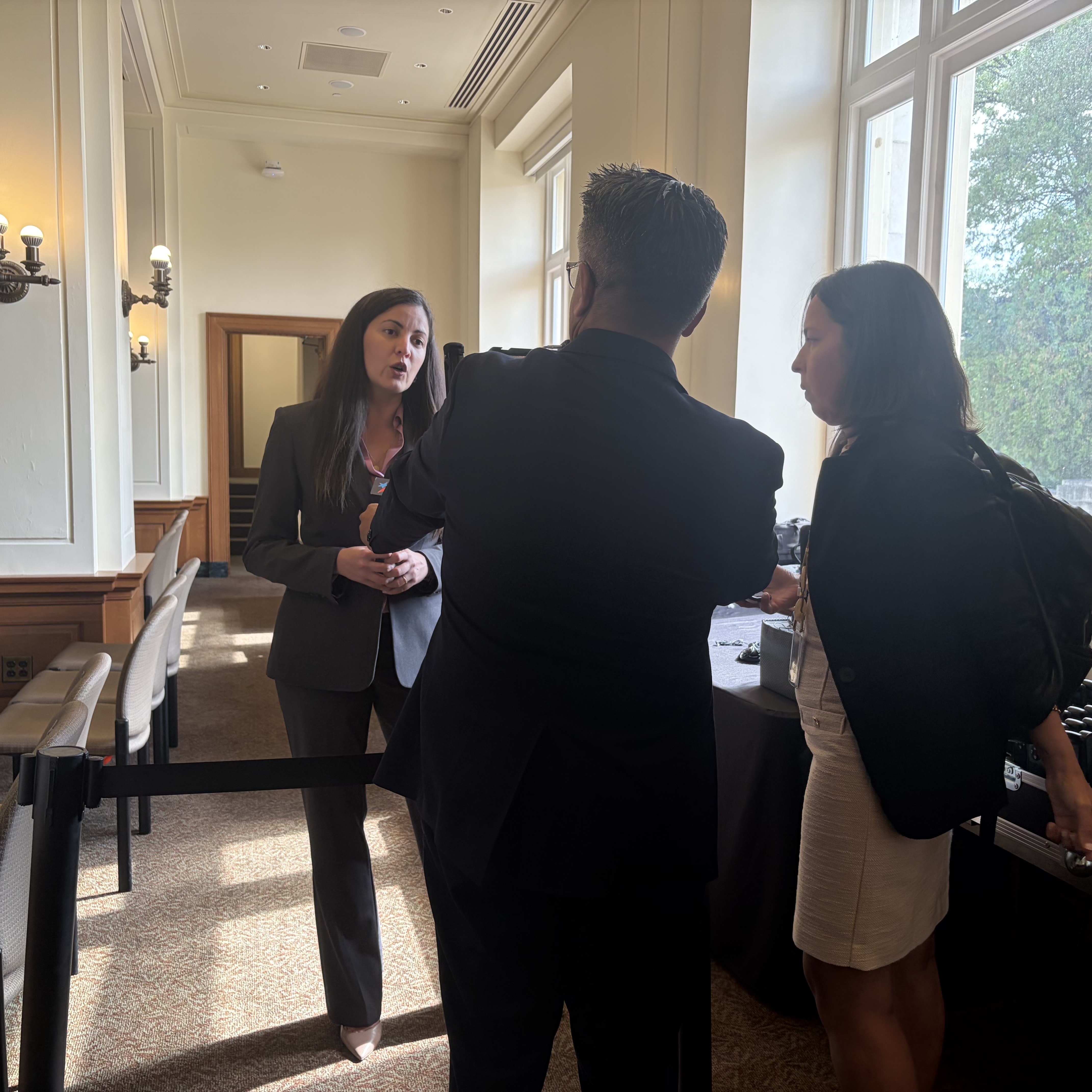
“I’m Catholic myself and I also come from a society that has suffered the violation of human rights,” she said. “So I deeply understand what it is to be afraid to speak your mind, what it is to be afraid of practicing and voicing your faith, which is a very primary human exercise.”
Payá is the daughter of Oswaldo Payá Sardiñas, a Catholic dissident who founded the Christian Liberation Movement in 1988 and was killed during the Cuban Spring in 2012.
“All of my solidarity is with the Nicaraguan people,” Payá said. “And I believe that also all the solidarity of the commission is too, and we will keep following the issue and we will keep engaging in the political dialogue with the member states.”