
Pope Leo XIV’s upcoming visit to Peru is not only generating excitement among the faithful but also opening doors to establish permanent pilgrimage routes that showcase the country’s rich spiritual heritage, potentially boosting local economies, according to national and international tourism experts.
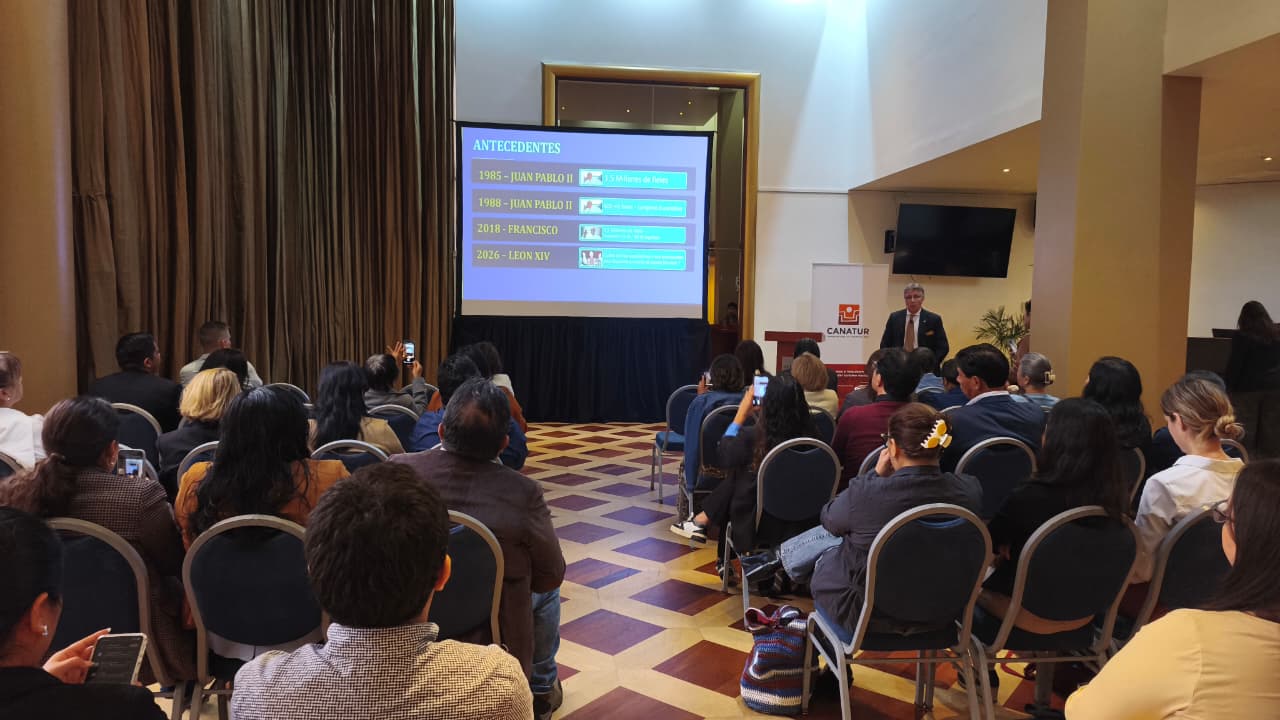
This was a key theme at the First Specialized Conference on Religious Tourism, held on August 3 and organized by the National Chamber of Tourism of Peru (CANATUR) and the World Religious Tourism Network. Experts agreed that the Holy Father’s apostolic journey, scheduled for November 11–17, could serve as a catalyst.
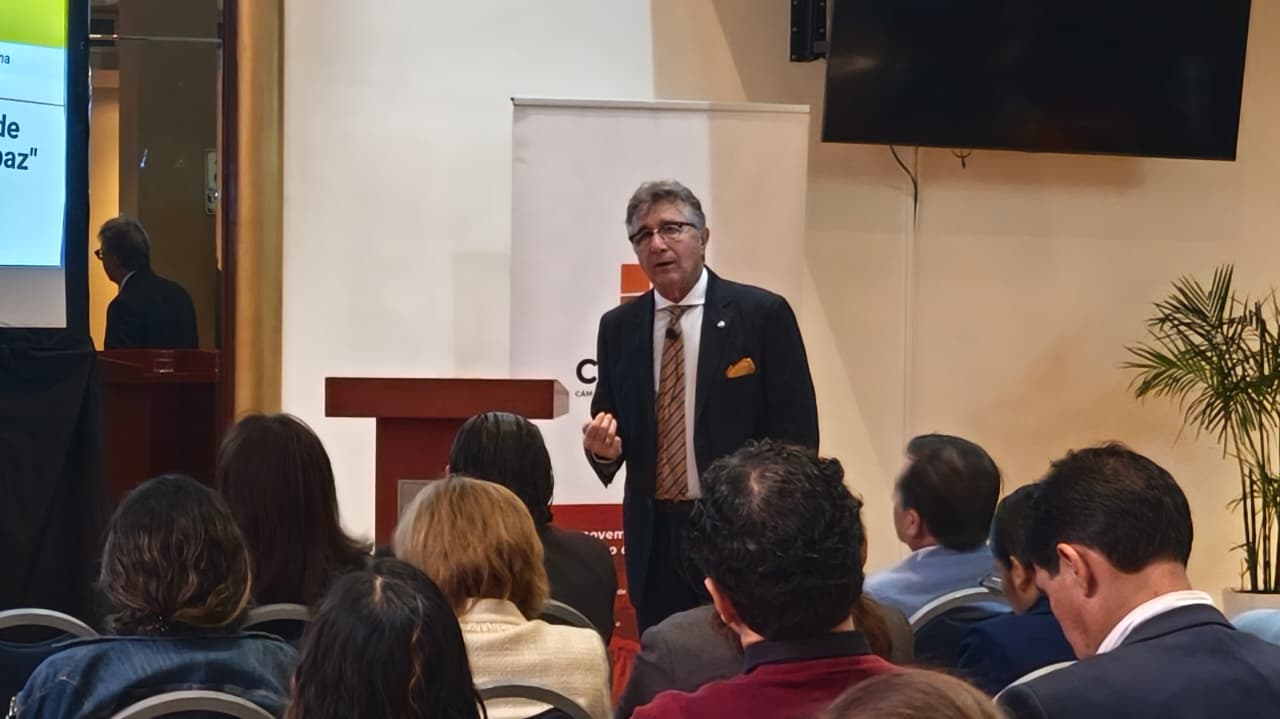
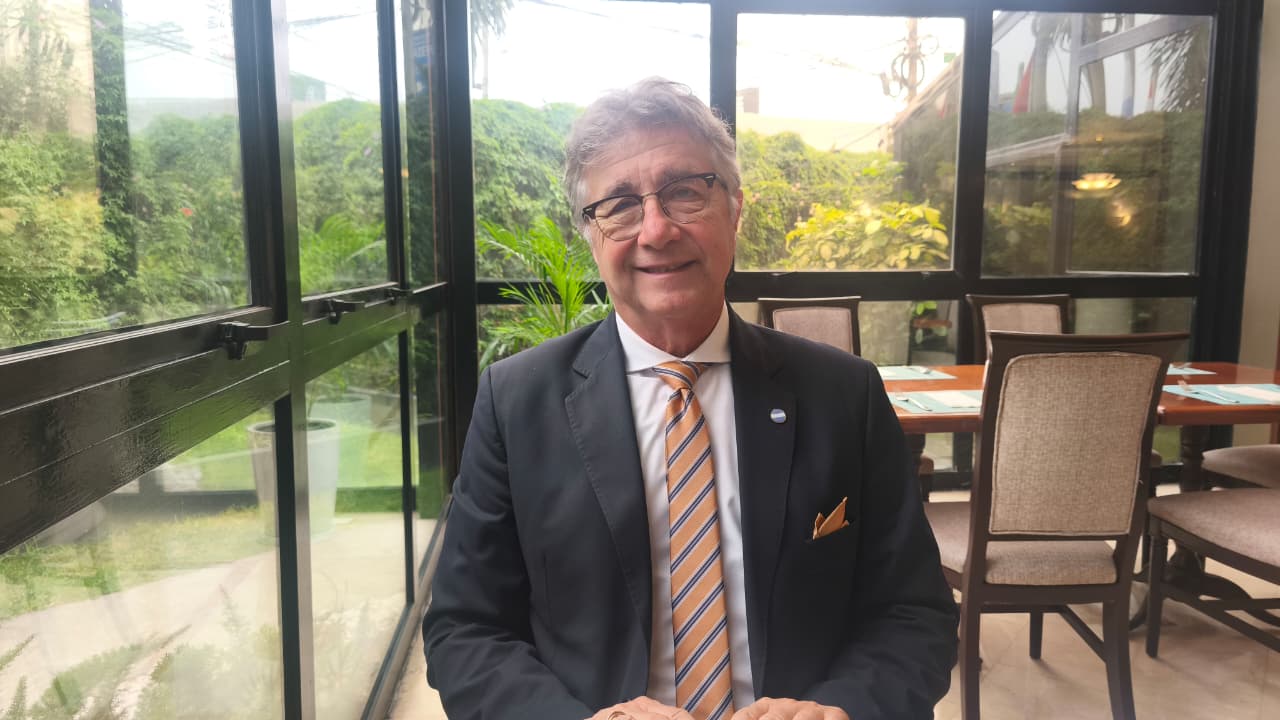
Speaking to ACI Prensa, Adrián Lomello, the World Religious Tourism Network’s director for the Americas, stated that “Peru’s potential is limitless.”
“The country’s resources are enormous, and it also possesses something no one else has: the blend of Catholicism and Andean cultures. That syncretism is unique in Latin America, and here it occurs quite naturally,” he said.
For Lomello, the challenge lies in looking beyond the pope’s upcoming visit and establishing Peru as a regular destination for pilgrimages.
During the event, a proposal was made to strengthen the “Paths of Pope Leo XIV” tourist route, which encompasses cities such as Chiclayo, Piura, Trujillo, and Callao, where the Holy Father carried out a significant part of his pastoral ministry.
“The idea is for these destinations to outlast the time of the visit and become a permanent offering” to pilgrims, he explained.
Religious Tourism Benefits the Entire Community
Lomello highlighted that religious tourism does not benefit only shrines or churches but also stimulates the economies of the cities that welcome pilgrims.
“Religious tourism has a direct impact on the community because the pilgrim arrives, spends money locally, buys handicrafts, stays overnight, perhaps extending their visit by a day, and visits a museum,” he explained.
“We have demonstrated that the financial investment yields a sixfold return. The state invests 1 sol [Peru’s unit of currency] and gets 6 back, a 600% return,” he emphasized.
He noted that cities must prepare to offer experiences that complement the pilgrimage, including “excellent cuisine, engaging activities, museums, and events.”
He noted that Peru possesses numerous destinations with great potential beyond those that are already well established.
“Cusco no longer needs further promotion. It even faces limitations in accommodating more visitors, and that’s fine. However, there are other destinations that offer the same impact and need to be developed,” he pointed out.
Waldin Durán, one of the speakers at the event and a specialist in innovation and digital transformation for tourism, told ACI Prensa that Leo XIV’s visit should be understood not just as a one-time event but “the precedent and the beginning,” positioning Peru as an international destination for religious tourism.
Durán noted that religious tourism represents about 20% of world tourism, and according to data from the World Tourism Organization, a pilgrim can generate up to 10% more income than a conventional tourist. He said the challenge will be to take advantage of Leo XIV’s upcoming itinerary to attract visitors on an ongoing basis.
The event organized by CANATUR also provided an update on the progress of preparations for the papal visit.
CANATUR general manager Carlos Loayza said the tourism sector is already working to engage hotels, travel agencies, tour operators, guides, restaurants, transportation providers, artisans, and local authorities.
A Country Shaped by Faith
Lomello also encouraged Peruvian authorities to promote religious tourism as a matter of state policy.
“We would be delighted to see the government commit to this and make religious tourism a flagship initiative. I believe some steps have already been taken, and a commission has been established that strikes me as very promising,” he noted, referring to the alliance formed between the World Religious Tourism Network, CANATUR, and the Commission for the Promotion of Peru for Exports and Tourism, which are making initial preparations for the apostolic journey.
At the same time, he acknowledged that “the political transition Peru is undergoing,” with the election of Keiko Fujimori as the new president, “calls for a bit of patience” while the new government gets itself established.
‘Leo XIV is Peruvian’
For Lomello, one of the elements that will make the papal visit historic is the deep bond Leo XIV shares with the country.
“He is of U.S. origin, but his mindset is Peruvian. His spiritual formation is Peruvian. His tastes are Peruvian,” he noted.
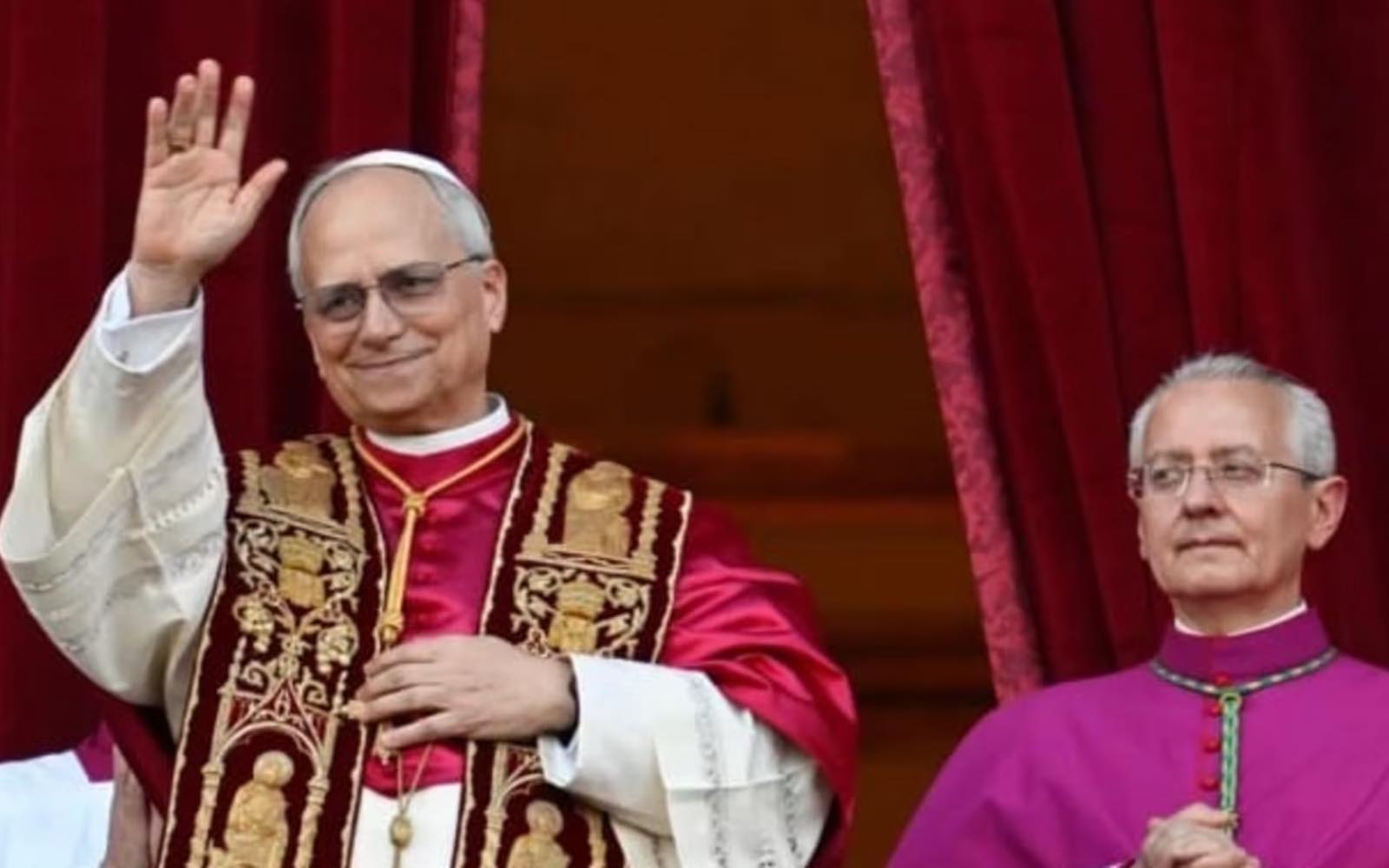
In his view, that bond will give the visit a special significance. “The benefits in terms of Peruvian identity will be immense. The benefits regarding spiritual conversion will be enormous,” he added.
“Let’s have the finest banquet prepared,” he said. “Peru is beginning to experience a celebration. And when there is a celebration, the people rejoice; everyone’s heart is full of joy.”
“May no one be left out. That is the great challenge: making this a celebration for everyone,” he added.
This story was first published by ACI Prensa, the Spanish-language sister service of EWTN News. It has been translated and adapted by EWTN News English.